First application
Build the case around real facts before you file.
Explore →
First application, previous refusal or interview coming up? We connect your purpose, application, funding, history and preparation into one clear case strategy.
Founder-led · Personal attention · Gujarati · Hindi · English · Clear scope before work begins
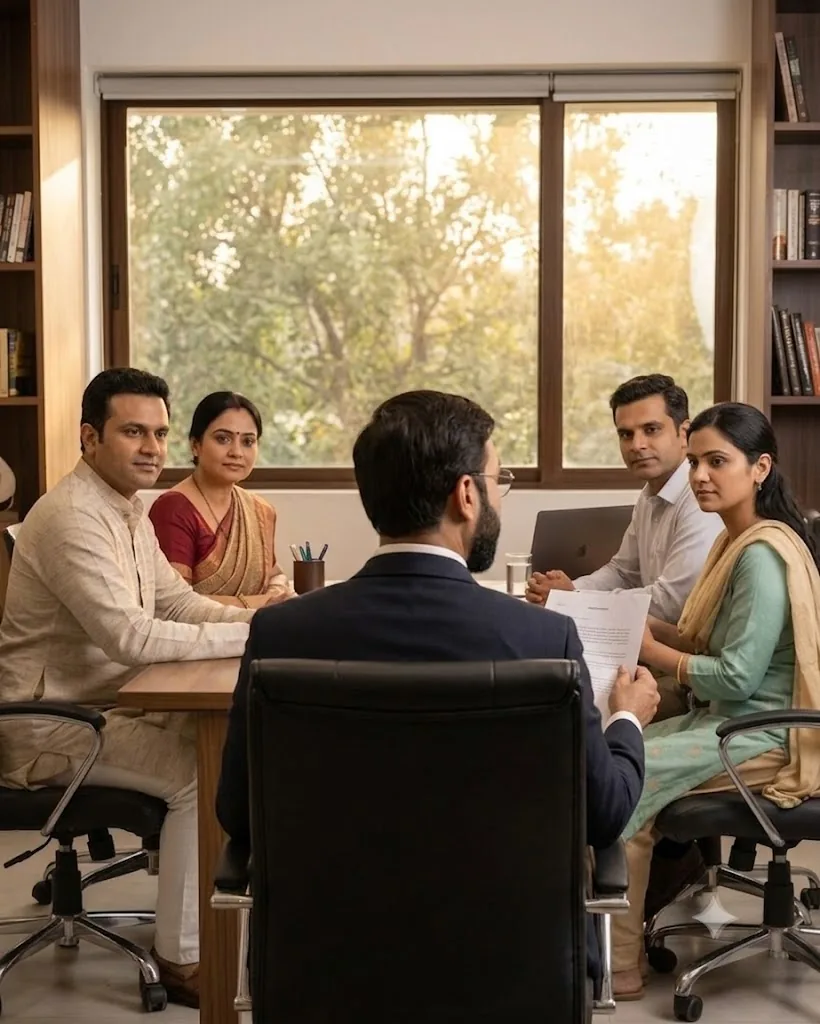
Pick the situation closest to yours. We will show you what to review, what to prepare and what to discuss in your first conversation.
Build the case around real facts before you file.
Explore →Diagnose the old case before choosing to reapply.
Review refusal →Check the details you retained before interview day.
Review DS-160 →Practise your real answers, not memorised scripts.
Prepare →Align course, funding, career and student visa strategy.
Student strategy →We connect your purpose, travel or study plan, employment, finances, sponsor details and supporting records before the application is treated as ready.
We organise verified facts. We do not manufacture stories, documents or answers.
Request a Consistency Review ↗Why this journey, why now and for how long.
Forms, dates, documents and previous applications.
Funding source, affordability and sponsor relationship.
How your circumstances fit the specific category.
Earlier outcomes and genuine changes in circumstances.
Natural, truthful preparation around concern areas.
Support for visitor, business and student applicants. We confirm your category and scope before substantive work begins.
Compare earlier application information, refusal history, interview recall, current facts and reapplication timing.
Discuss this service →Review retained application details across travel dates, family, work, funding and previous applications.
Review your form →Map likely concern areas and practise truthful answers based on the submitted application.
Prepare your interview →Align course choice, university fit, career direction, funding and interview preparation.
Explore student support →Build a coherent visitor or permitted business-visit explanation around genuine circumstances.
Explore B1/B2 →Tell us your destination, category and current stage. We confirm the appropriate scope.
Start with a conversation →This is an educational sample — not a client result or approval prediction.
Country selection should follow purpose, career, budget, family situation and visa readiness.
Visitor · Student · Business · Family · Refusal review · Interview preparation
Explore →Study · Tourism · Course and country fit · Documentation · Visa readiness
Explore →Student · Visitor · Profile review · Funding logic · Application preparation
Explore →You should know what happens, what is included and what professional guidance can — and cannot — do.
Tell us your visa type, purpose, refusal history, language and consultation format.
We confirm review depth, relevant documents, fee, format and expected turnaround.
The agreed review, strategy session or interview preparation is completed.
You receive observations, preparation actions and a practical readiness direction.
Avdhesh Brahmbhatt brings aviation and customer-service experience to Embassy of Education. The advisory is built around calm preparation, truthful communication and personal attention.
We do not claim access to confidential consular notes, guarantee outcomes, invent documents or use memorised universal answers.
Keep your category, appointment details, relevant history and main question ready. You do not need to send a folder of sensitive documents just to start the conversation.